ARG70847
Human Annexin A1 recombinant protein (His-tagged, C-ter)
Human Annexin A1 recombinant protein (His-tagged, C-ter) for SDS-PAGE
Overview
| Product Description | E. coli expressed, His-tagged (C-ter) Annexin A1 recombinant protein |
|---|---|
| Tested Application | SDS-PAGE |
| Target Name | Annexin A1 |
| Species | Human |
| A.A. Sequence | Gly131 - Tyr230 |
| Expression System | E. coli |
| Alternate Names | ANX1; LPC1; Annexin I; Annexin-1; Calpactin II; Calpactin-2; Chromobindin-9; Lipocortin I; Phospholipase A2 inhibitory protein; p35 |
Properties
| Form | Powder |
|---|---|
| Buffer | PBS |
| Reconstitution | It is recommended to reconstitute the lyophilized protein in sterile water to a concentration approximately 1 mg/mL and incubate the stock solution for at least 20 min at room temperature to make sure the protein is dissolved completely. |
| Storage Instruction | For long term, lyophilized protein should be stored at -20°C or -80°C, protected from light and moisture, for up to 12 months. After reconstitution , aliquot and store at 2 to 8°C for up to 2 days, or at -20°C or -80°C for up to 3 months Storage in frost free freezers is not recommended. Avoid repeated freeze/thaw cycles. Suggest spin the vial prior to opening. |
Bioinformation
| Gene Symbol | ANXA1 |
|---|---|
| Gene Full Name | annexin A1 |
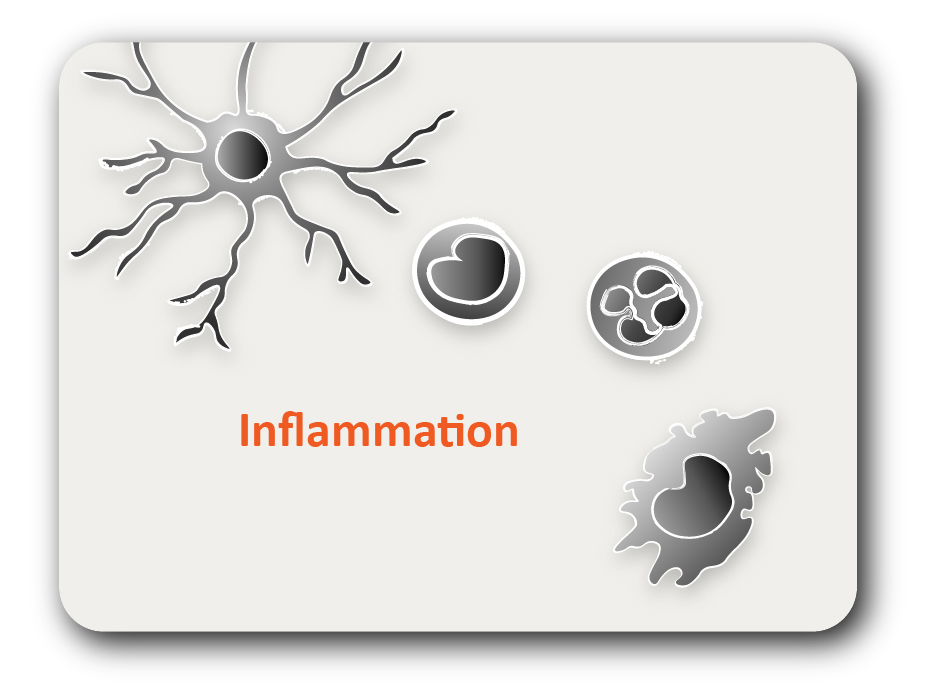
| Background | This gene encodes a membrane-localized protein that binds phospholipids. This protein inhibits phospholipase A2 and has anti-inflammatory activity. Loss of function or expression of this gene has been detected in multiple tumors. [provided by RefSeq, Dec 2014] |
| Function | Annexin A1 Plays important roles in the innate immune response as effector of glucocorticoid-mediated responses and regulator of the inflammatory process. Has anti-inflammatory activity (PubMed:8425544). Promotes resolution of inflammation and wound healing (PubMed:25664854). Functions at least in part by activating the formyl peptide receptors and downstream signaling cascades (PubMed:15187149, PubMed:25664854). Promotes chemotaxis of granulocytes and monocytes via activation of the formyl peptide receptors (PubMed:15187149). Contributes to the adaptive immune response by enhancing signaling cascades that are triggered by T-cell activation, regulates differentiation and proliferation of activated T-cells (PubMed:17008549). Promotes the differentiation of T-cells into Th1 cells and negatively regulates differentiation into Th2 cells (PubMed:17008549). . Promotes rearrangement of the actin cytoskeleton, cell polarization and cell migration (PubMed:15187149). Negatively regulates hormone exocytosis via activation of the formyl peptide receptors and reorganization of the actin cytoskeleton (PubMed:19625660). Has high affinity for Ca2+ and can bind up to eight Ca2+ ions (By similarity). Displays Ca2+-dependent binding to phospholipid membranes (PubMed:2532504, PubMed:8557678). [provide by Uniprot] |
| PTM | Phosphorylated by protein kinase C, EGFR and TRPM7 (PubMed:2457390, PubMed:15485879). Phosphorylated in response to EGF treatment (PubMed:2532504). Sumoylated. |