ARG83882
arigoPLEX® Human CAR-T associated Cytokine Multiplex ELISA Kit (IFN gamma, IL1 beta, IL6, IL8, IL10, IL15, GM-CSF, TNF alpha)
Overview
| Product Description | ARG83882 arigoPLEX® Human CAR-T associated Cytokine Multiplex ELISA Kit (IFN gamma, IL1 beta, IL6, IL8, IL10, IL15, GM-CSF, TNF alpha) is an Enzyme Immunoassay kit for the quantification of Human CAR-T associated Cytokine in serum, plasma and cell culture supernatants. See all Multiplex ELISA kits |
|---|---|
| Tested Reactivity | Hu |
| Tested Application | ELISA |
| Key Features | A multiplex ELISA that simultaneously detects 8 key factors using an ELISA reader at OD 450 nm — no beads, no specialized instrumentation required.
Request a Custom Multiplex ELISA Kit |
| Target Name | CAR-T associated Cytokine |
| Conjugation | HRP |
| Conjugation Note | Substrate: TMB and read at 450 nm. |
| Sensitivity | IFN gamma:7.81 pg/mL IL1 beta:7.81 pg/mL IL6:15.63 pg/mL IL8:15.63 pg/mL IL10:7.81 pg/mL IL15:15.63 pg/mL GM-CSF:7.81 pg/mL TNF alpha:15.63 pg/mL |
| Sample Type | serum, plasma and cell culture supernatants. |
| Standard Range | IFN gamma:15.63-500 pg/mL IL1 beta:15.63-500 pg/mL IL6:31.25-1000 pg/mL IL8:31.25-1000 pg/mL IL10:15.63-500 pg/mL IL15:31.25-1000 pg/mL GM-CSF:15.63-500 pg/mL TNF alpha:31.25-1000 pg/mL |
| Sample Volume | 50 µl |
Application Instructions
| Assay Time | 4 hours |
|---|
Properties
| Form | 96 well |
|---|---|
| Storage Instruction | Store the kit at 4°C, -20°C. Keep microplate wells sealed in a dry bag with desiccants. Do not expose test reagents to heat, sun or strong light during storage and usage. Please refer to the product user manual for detail temperatures of the components. |
| Note | For laboratory research only, not for drug, diagnostic or other use. |
Bioinformation
| Gene Symbol | IFN gamma; IL1 beta; IL6; IL8; IL10; IL15; GM-CSF; TNF alpha |
|---|---|
| Gene Full Name | interferon, gamma; interleukin 1, beta; interleukin 6; chemokine (C-X-C motif) ligand 8; interleukin 10; interleukin 15; colony stimulating factor 2 (granulocyte-macrophage); tumor necrosis factor |
| Background | IFN gamma:This gene encodes a soluble cytokine that is a member of the type II interferon class. The encoded protein is secreted by cells of the both the innate and adaptive immune systems. The active protein is a homodimer that binds to the interferon gamma receptor which triggers a cellular response to viral and microbial inflections. Mutations in this gene are associated with an increased susceptibility to viral, bacterial and parasitic infections and to several autoimmune diseases. [provided by RefSeq, Sep 2015] IL1 beta:IL1 beta protein is a member of the interleukin 1 cytokine family. This cytokine is produced by activated macrophages as a proprotein, which is proteolytically processed to its active form by caspase 1 (CASP1/ICE). This cytokine is an important mediator of the inflammatory response, and is involved in a variety of cellular activities, including cell proliferation, differentiation, and apoptosis. The induction of cyclooxygenase-2 (PTGS2/COX2) by this cytokine in the central nervous system (CNS) is found to contribute to inflammatory pain hypersensitivity. This gene and eight other interleukin 1 family genes form a cytokine gene cluster on chromosome 2. [provided by RefSeq, Jul 2008] IL6:This gene encodes a cytokine that functions in inflammation and the maturation of B cells. In addition, the encoded protein has been shown to be an endogenous pyrogen capable of inducing fever in people with autoimmune diseases or infections. The protein is primarily produced at sites of acute and chronic inflammation, where it is secreted into the serum and induces a transcriptional inflammatory response through interleukin 6 receptor, alpha. The functioning of this gene is implicated in a wide variety of inflammation-associated disease states, including suspectibility to diabetes mellitus and systemic juvenile rheumatoid arthritis. [provided by RefSeq, Jun 2011] IL8:Interleukin 8 (IL-8), like IL-6, is secreted by macrophages and a variety of cells that express Toll-like receptors in response to the stimulation of pathogens. IL-8's primary function is to recruit neutrophils and other target cells through chemotaxis to the infected site to eliminate pathogens. IL-8 causes increased intracellular Ca2+, release of reactive oxygen species, and other physiological changes required for migration and phagocytosis. IL-8 is also known to promote angiogenesis. IL10:The protein encoded by this gene is a cytokine produced primarily by monocytes and to a lesser extent by lymphocytes. This cytokine has pleiotropic effects in immunoregulation and inflammation. It down-regulates the expression of Th1 cytokines, MHC class II Ags, and costimulatory molecules on macrophages. It also enhances B cell survival, proliferation, and antibody production. This cytokine can block NF-kappa B activity, and is involved in the regulation of the JAK-STAT signaling pathway. Knockout studies in mice suggested the function of this cytokine as an essential immunoregulator in the intestinal tract. Mutations in this gene are associated with an increased susceptibility to HIV-1 infection and rheumatoid arthritis.[provided by RefSeq, May 2011] IL15:IL-15 is a member of the four alpha-helical bundle family of cytokines with a molecular weight of 14-15 kDa. Its in vitro activity is very similar to IL-2, except that IL-15 utilizes the IL-15 receptor alpha subunit for binding. IL-15 plays an important role in the growth and differentiation of T and B lymphocytes, natural killer cells, macrophages, and monocytes. It also activates a number of important intracellular signaling molecules. This implies that IL-15 could be essential for the immune responses, allograpt rejection, and the pathogenesis of autoimmune diseases. GM-CSF:The protein encoded by this gene is a cytokine that controls the production, differentiation, and function of granulocytes and macrophages. The active form of the protein is found extracellularly as a homodimer. This gene has been localized to a cluster of related genes at chromosome region 5q31, which is known to be associated with interstitial deletions in the 5q- syndrome and acute myelogenous leukemia. Other genes in the cluster include those encoding interleukins 4, 5, and 13. [provided by RefSeq, Jul 2008] TNF alpha:This gene encodes a multifunctional proinflammatory cytokine that belongs to the tumor necrosis factor (TNF) superfamily. This cytokine is mainly secreted by macrophages. It can bind to, and thus functions through its receptors TNFRSF1A/TNFR1 and TNFRSF1B/TNFBR. This cytokine is involved in the regulation of a wide spectrum of biological processes including cell proliferation, differentiation, apoptosis, lipid metabolism, and coagulation. This cytokine has been implicated in a variety of diseases, including autoimmune diseases, insulin resistance, and cancer. Knockout studies in mice also suggested the neuroprotective function of this cytokine. [provided by RefSeq, Jul 2008] |
| Function | IFN gamma:Produced by lymphocytes activated by specific antigens or mitogens. IFN-gamma, in addition to having antiviral activity, has important immunoregulatory functions. It is a potent activator of macrophages, it has antiproliferative effects on transformed cells and it can potentiate the antiviral and antitumor effects of the type I interferons. [UniProt] IL1 beta:IL1 beta is a potent proinflammatory cytokine. Initially discovered as the major endogenous pyrogen, induces prostaglandin synthesis, neutrophil influx and activation, T-cell activation and cytokine production, B-cell activation and antibody production, and fibroblast proliferation and collagen production. Promotes Th17 differentiation of T-cells. Synergizes with IL12/interleukin-12 to induce IFNG synthesis from T-helper 1 (Th1) cells (PubMed:10653850). [UniProt] IL6:Cytokine with a wide variety of biological functions. It is a potent inducer of the acute phase response. Plays an essential role in the final differentiation of B-cells into Ig-secreting cells Involved in lymphocyte and monocyte differentiation. Acts on B-cells, T-cells, hepatocytes, hematopoietic progenitor cells and cells of the CNS. Required for the generation of T(H)17 cells. Also acts as a myokine. It is discharged into the bloodstream after muscle contraction and acts to increase the breakdown of fats and to improve insulin resistance. It induces myeloma and plasmacytoma growth and induces nerve cells differentiation. [UniProt] IL8:IL-8 is a chemotactic factor that attracts neutrophils, basophils, and T-cells, but not monocytes. It is also involved in neutrophil activation. It is released from several cell types in response to an inflammatory stimulus. IL-8(6-77) has a 5-10-fold higher activity on neutrophil activation, IL-8(5-77) has increased activity on neutrophil activation and IL-8(7-77) has a higher affinity to receptors CXCR1 and CXCR2 as compared to IL-8(1-77), respectively. [UniProt] IL10:Inhibits the synthesis of a number of cytokines, including IFN-gamma, IL-2, IL-3, TNF and GM-CSF produced by activated macrophages and by helper T-cells. [UniProt] IL15:Cytokine that stimulates the proliferation of T-lymphocytes. Stimulation by IL-15 requires interaction of IL-15 with components of IL-2R, including IL-2R beta and probably IL-2R gamma but not IL-2R alpha. [UniProt] GM-CSF:Cytokine that stimulates the growth and differentiation of hematopoietic precursor cells from various lineages, including granulocytes, macrophages, eosinophils and erythrocytes. [UniProt] TNF alpha:Cytokine that binds to TNFRSF1A/TNFR1 and TNFRSF1B/TNFBR. It is mainly secreted by macrophages and can induce cell death of certain tumor cell lines. It is potent pyrogen causing fever by direct action or by stimulation of interleukin-1 secretion and is implicated in the induction of cachexia, Under certain conditions it can stimulate cell proliferation and induce cell differentiation. Impairs regulatory T-cells (Treg) function in individuals with rheumatoid arthritis via FOXP3 dephosphorylation. Upregulates the expression of protein phosphatase 1 (PP1), which dephosphorylates the key 'Ser-418' residue of FOXP3, thereby inactivating FOXP3 and rendering Treg cells functionally defective (PubMed:23396208). The TNF intracellular domain (ICD) form induces IL12 production in dendritic cells. [UniProt] |
| Highlight | Related Product: anti-IFN gamma antibody; anti-IL1 beta antibody; anti-IL6 antibody; anti-IL8 antibody; anti-IL10 antibody; anti-IL15 antibody; anti-GM-CSF antibody; anti-TNF alpha antibody; |
Images (9) Click the Picture to Zoom In
-
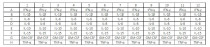
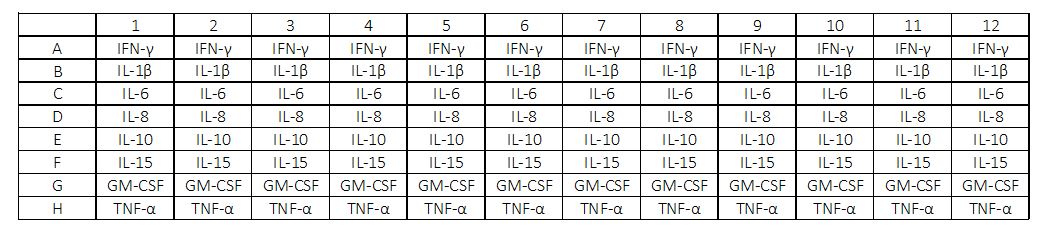
Antibodies Coating Pattern In Microtiter Plate of ARG83882 arigoPLEX® Human CAR-T associated Cytokine Multiplex ELISA Kit (IFN gamma, IL1 beta, IL6, IL8, IL10, IL15, GM-CSF, TNF alpha)
-
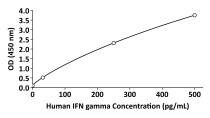
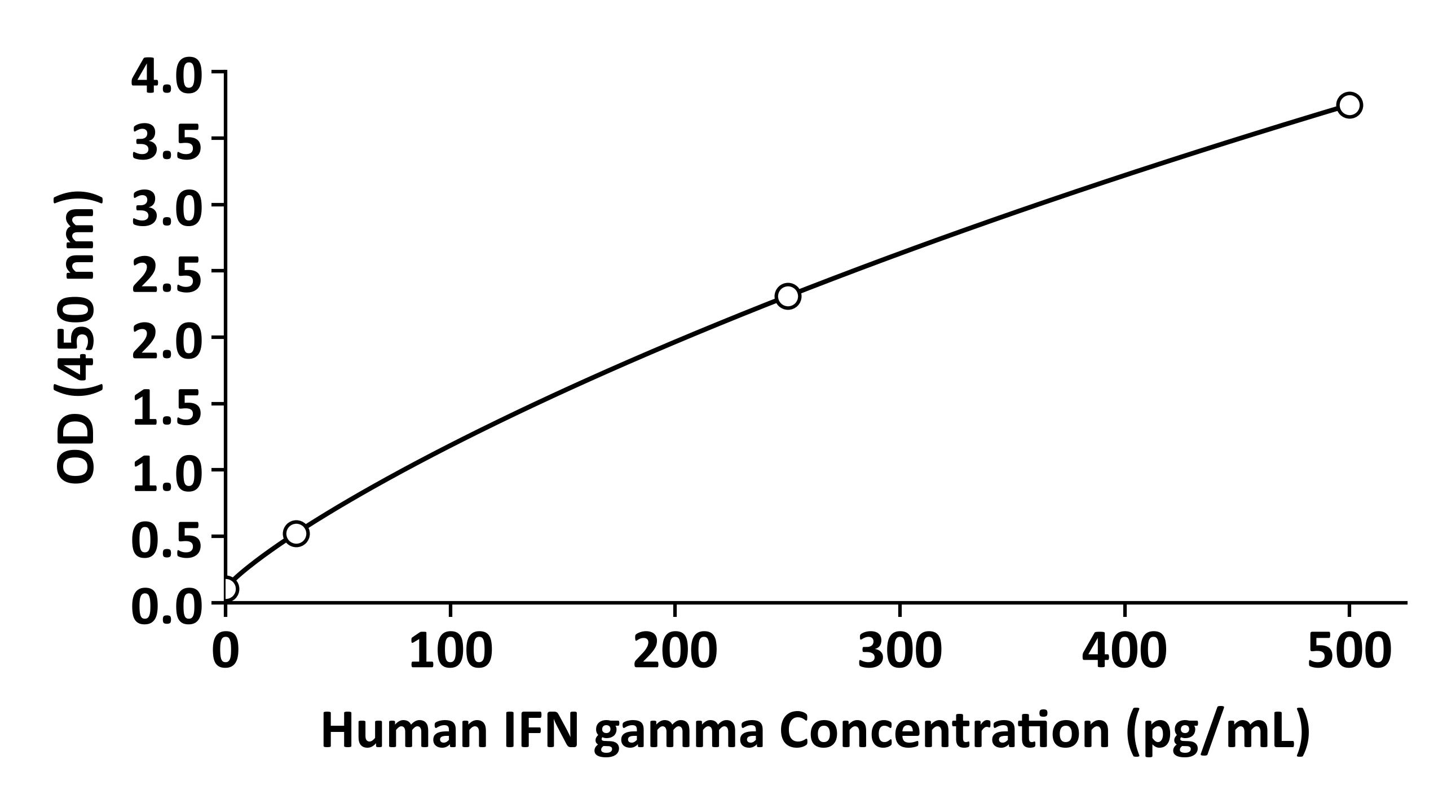
ARG83882 arigoPLEX® Human CAR-T associated Cytokine Multiplex ELISA Kit (IFN gamma, IL1 beta, IL6, IL8, IL10, IL15, GM-CSF, TNF alpha) standard curve image
ARG83882 arigoPLEX® Human CAR-T associated Cytokine Multiplex ELISA Kit (IFN gamma, IL1 beta, IL6, IL8, IL10, IL15, GM-CSF, TNF alpha) results of a typical standard for Human IFN gamma run with optical density reading at 450 nm.
-
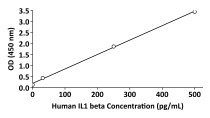
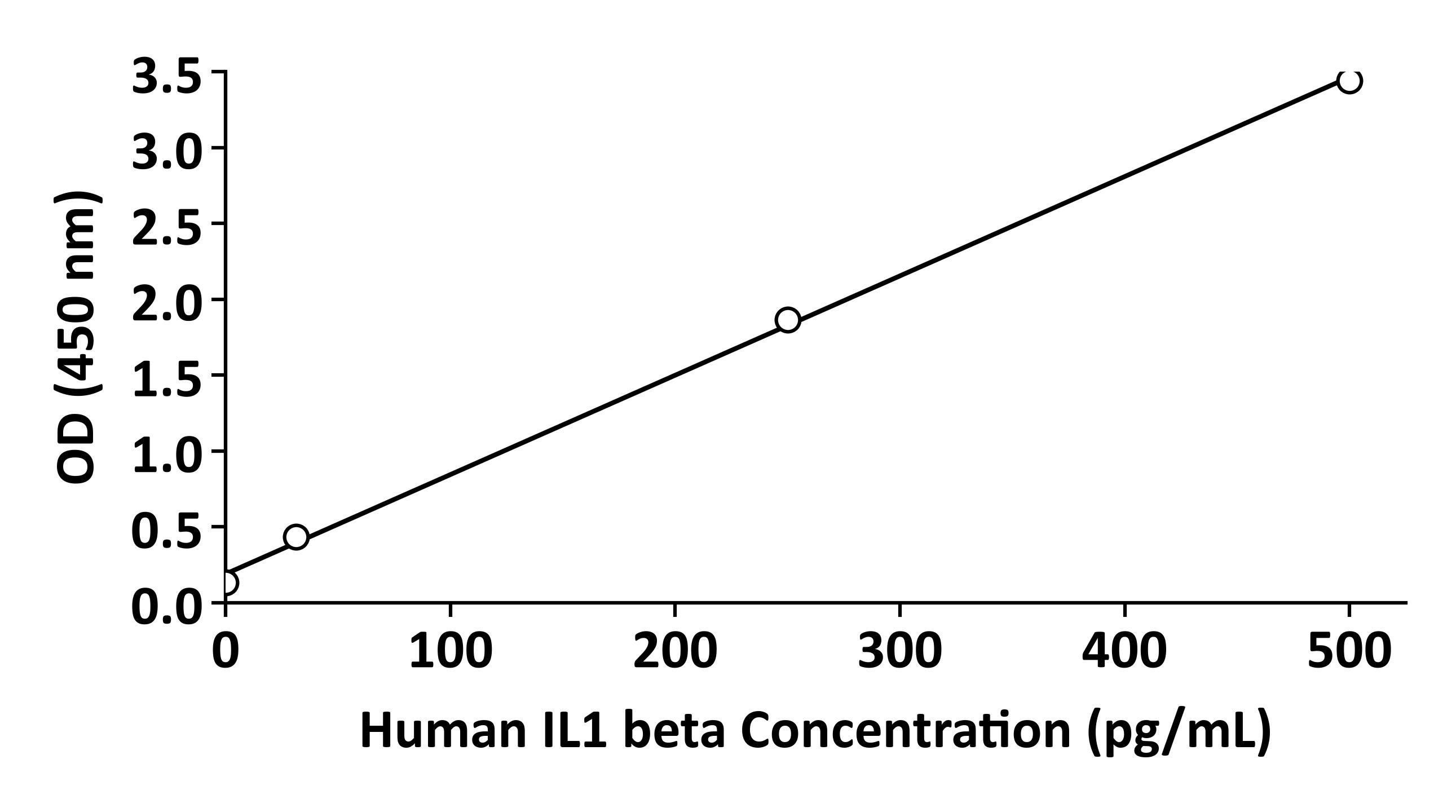
ARG83882 arigoPLEX® Human CAR-T associated Cytokine Multiplex ELISA Kit (IFN gamma, IL1 beta, IL6, IL8, IL10, IL15, GM-CSF, TNF alpha) standard curve image
ARG83882 arigoPLEX® Human CAR-T associated Cytokine Multiplex ELISA Kit (IFN gamma, IL1 beta, IL6, IL8, IL10, IL15, GM-CSF, TNF alpha) results of a typical standard for Human IL1 beta run with optical density reading at 450 nm.
-
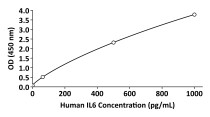
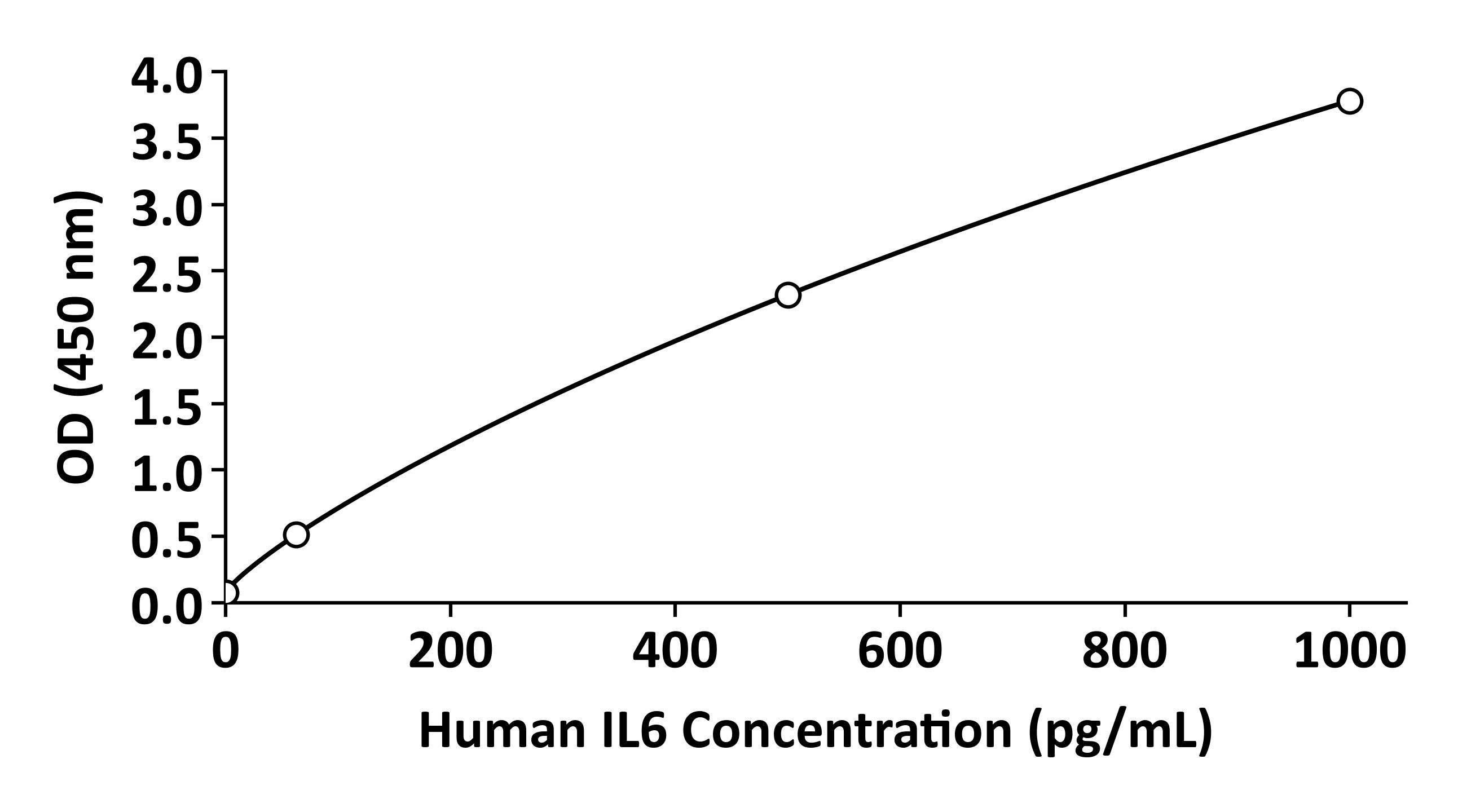
ARG83882 arigoPLEX® Human CAR-T associated Cytokine Multiplex ELISA Kit (IFN gamma, IL1 beta, IL6, IL8, IL10, IL15, GM-CSF, TNF alpha) standard curve image
ARG83882 arigoPLEX® Human CAR-T associated Cytokine Multiplex ELISA Kit (IFN gamma, IL1 beta, IL6, IL8, IL10, IL15, GM-CSF, TNF alpha) results of a typical standard for Human IL6 run with optical density reading at 450 nm.
-
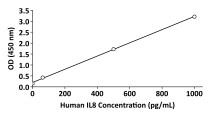
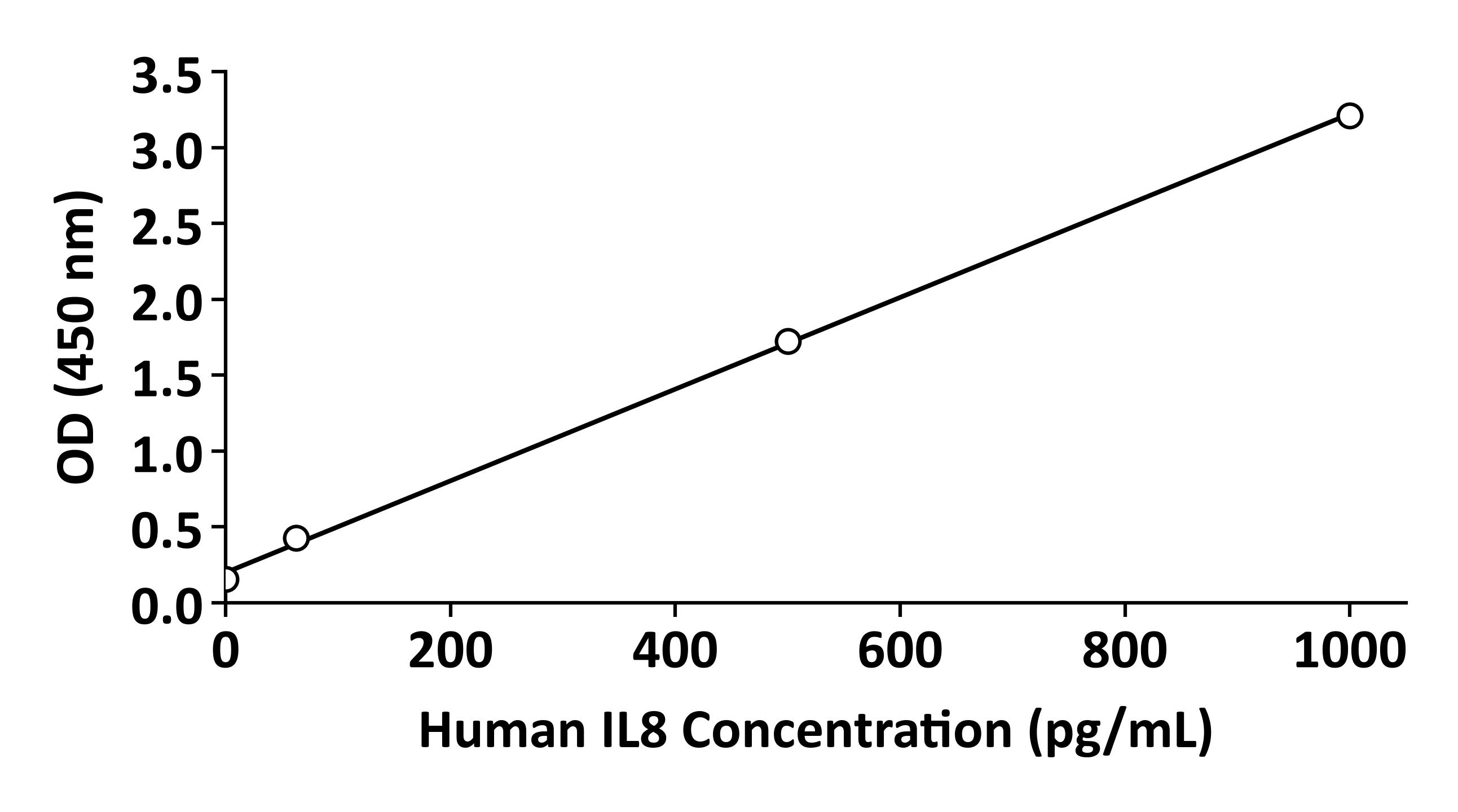
ARG83882 arigoPLEX® Human CAR-T associated Cytokine Multiplex ELISA Kit (IFN gamma, IL1 beta, IL6, IL8, IL10, IL15, GM-CSF, TNF alpha) standard curve image
ARG83882 arigoPLEX® Human CAR-T associated Cytokine Multiplex ELISA Kit (IFN gamma, IL1 beta, IL6, IL8, IL10, IL15, GM-CSF, TNF alpha) results of a typical standard for Human IL8 run with optical density reading at 450 nm.
-
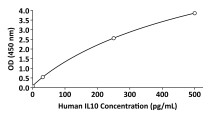
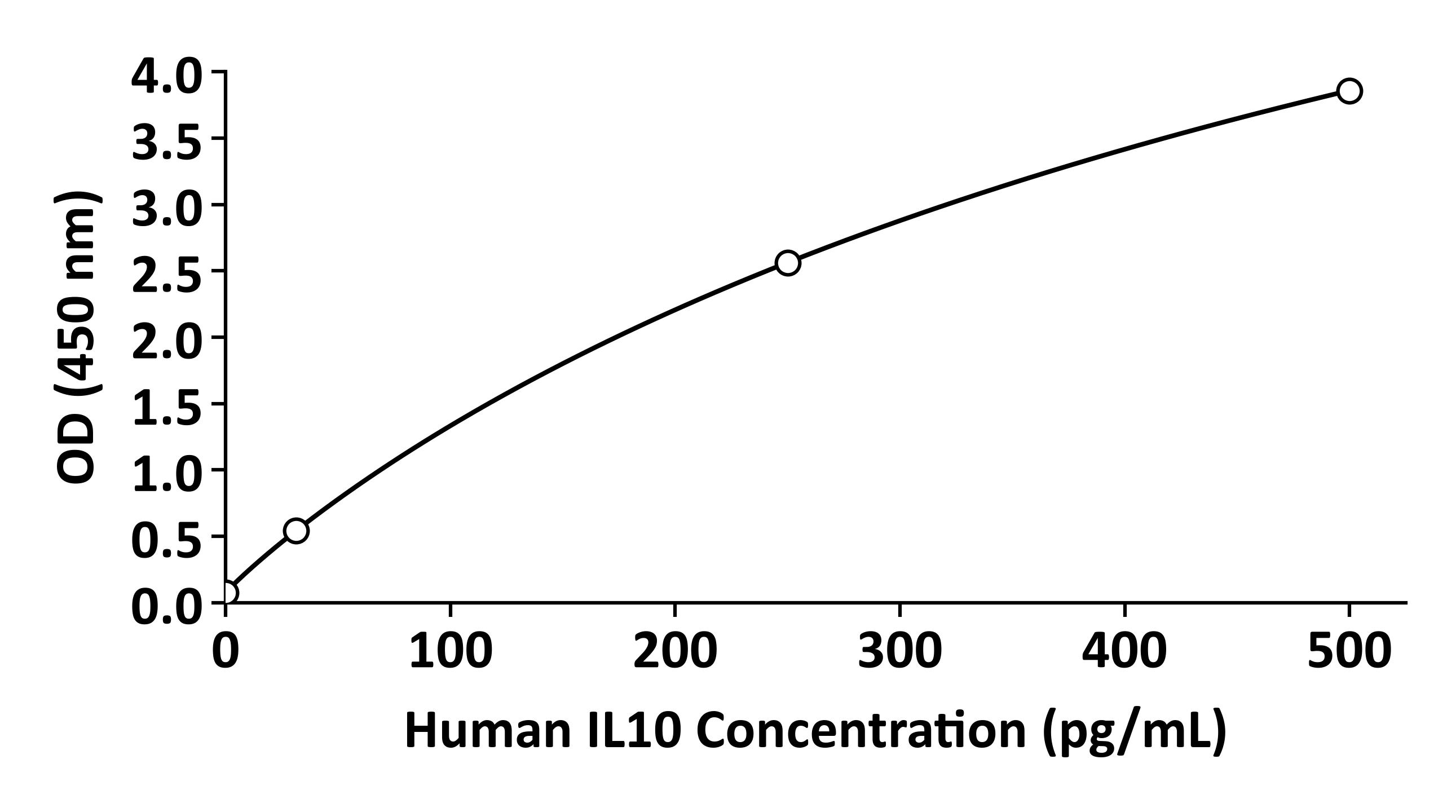
ARG83882 arigoPLEX® Human CAR-T associated Cytokine Multiplex ELISA Kit (IFN gamma, IL1 beta, IL6, IL8, IL10, IL15, GM-CSF, TNF alpha) standard curve image
ARG83882 arigoPLEX® Human CAR-T associated Cytokine Multiplex ELISA Kit (IFN gamma, IL1 beta, IL6, IL8, IL10, IL15, GM-CSF, TNF alpha) results of a typical standard for Human IL10 run with optical density reading at 450 nm.
-
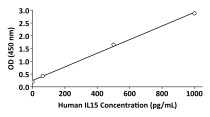
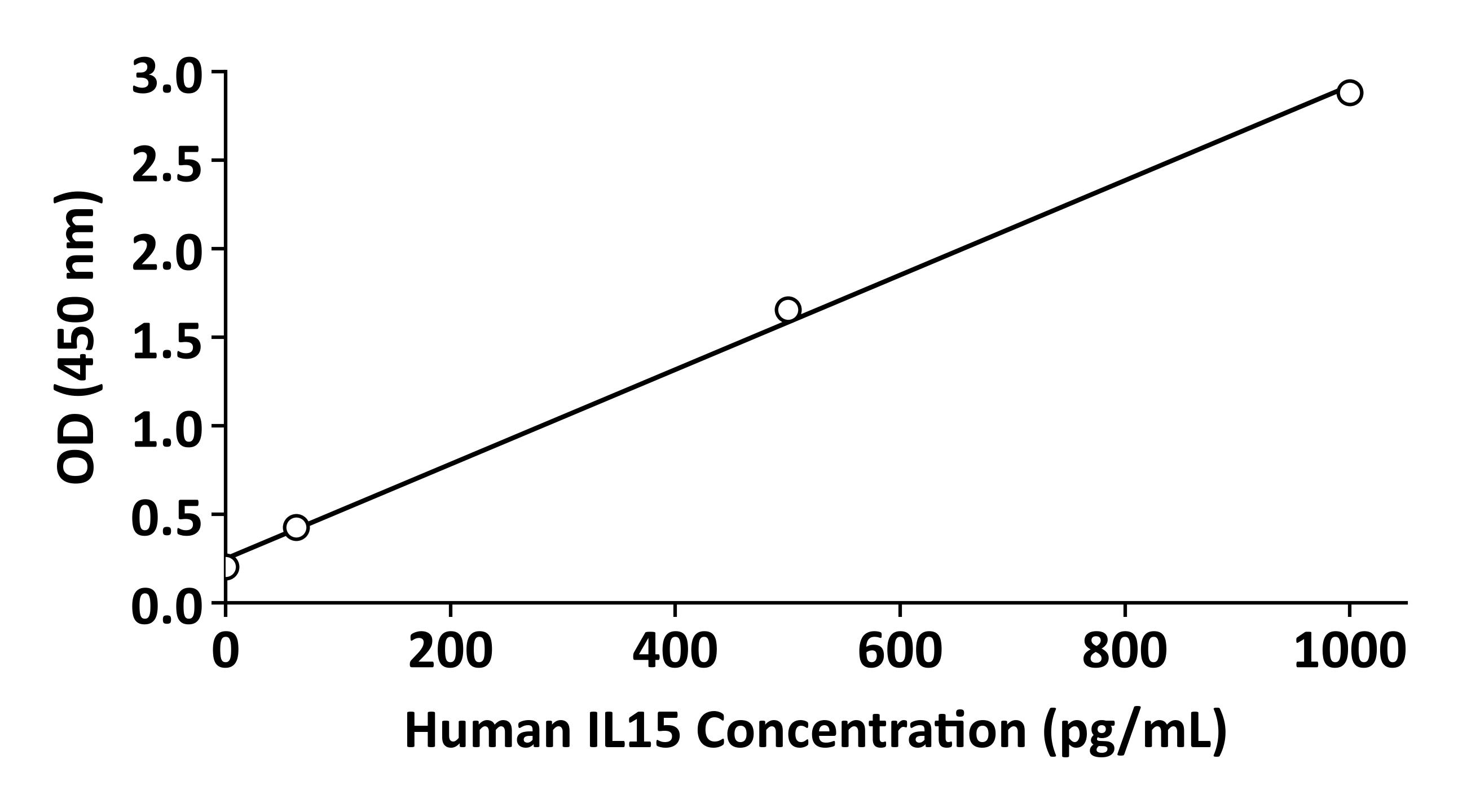
ARG83882 arigoPLEX® Human CAR-T associated Cytokine Multiplex ELISA Kit (IFN gamma, IL1 beta, IL6, IL8, IL10, IL15, GM-CSF, TNF alpha) standard curve image
ARG83882 arigoPLEX® Human CAR-T associated Cytokine Multiplex ELISA Kit (IFN gamma, IL1 beta, IL6, IL8, IL10, IL15, GM-CSF, TNF alpha) results of a typical standard for Human IL15 run with optical density reading at 450 nm.
-
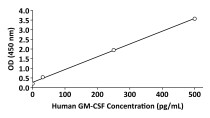
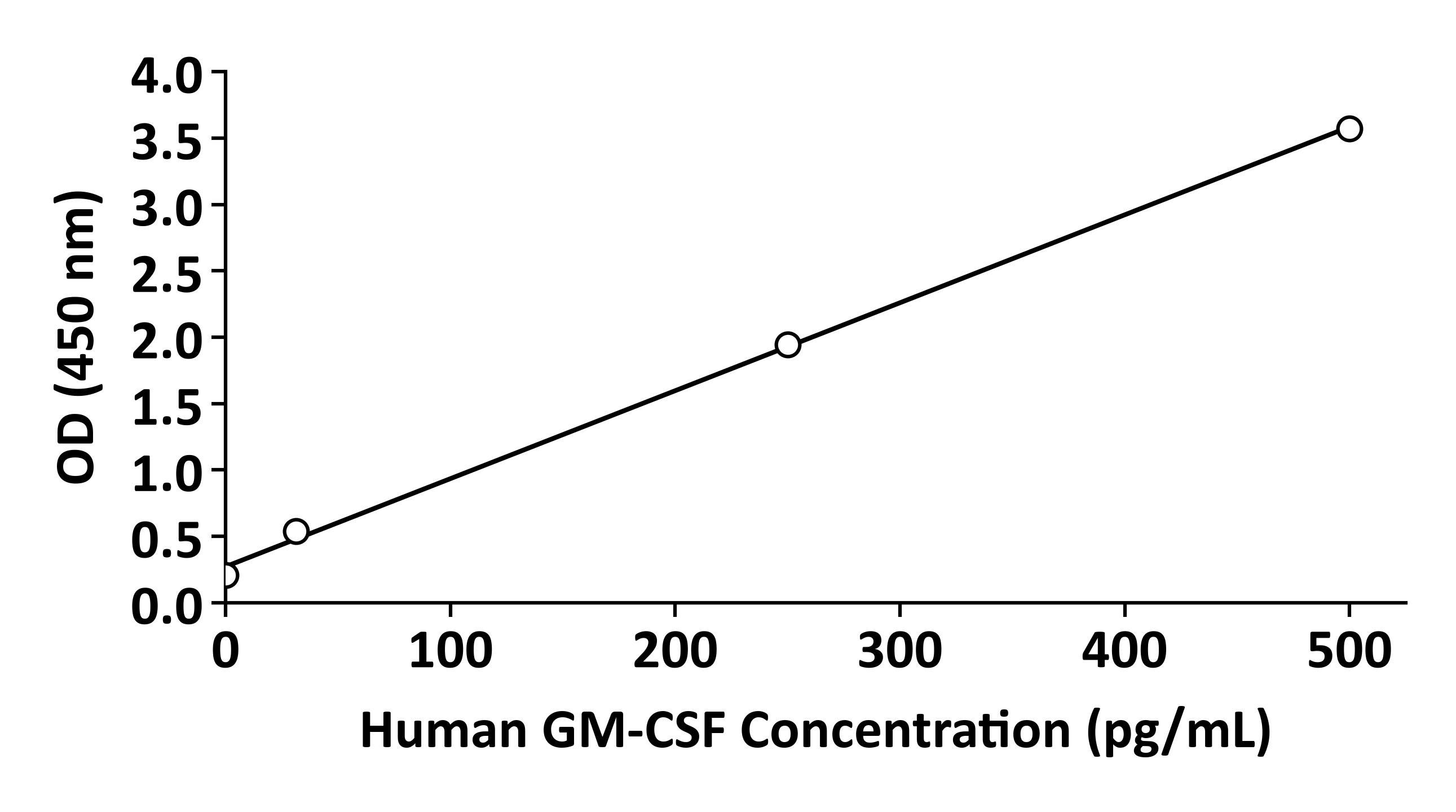
ARG83882 arigoPLEX® Human CAR-T associated Cytokine Multiplex ELISA Kit (IFN gamma, IL1 beta, IL6, IL8, IL10, IL15, GM-CSF, TNF alpha) standard curve image
ARG83882 arigoPLEX® Human CAR-T associated Cytokine Multiplex ELISA Kit (IFN gamma, IL1 beta, IL6, IL8, IL10, IL15, GM-CSF, TNF alpha) results of a typical standard for Human GM-CSF run with optical density reading at 450 nm.
-
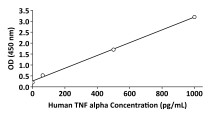
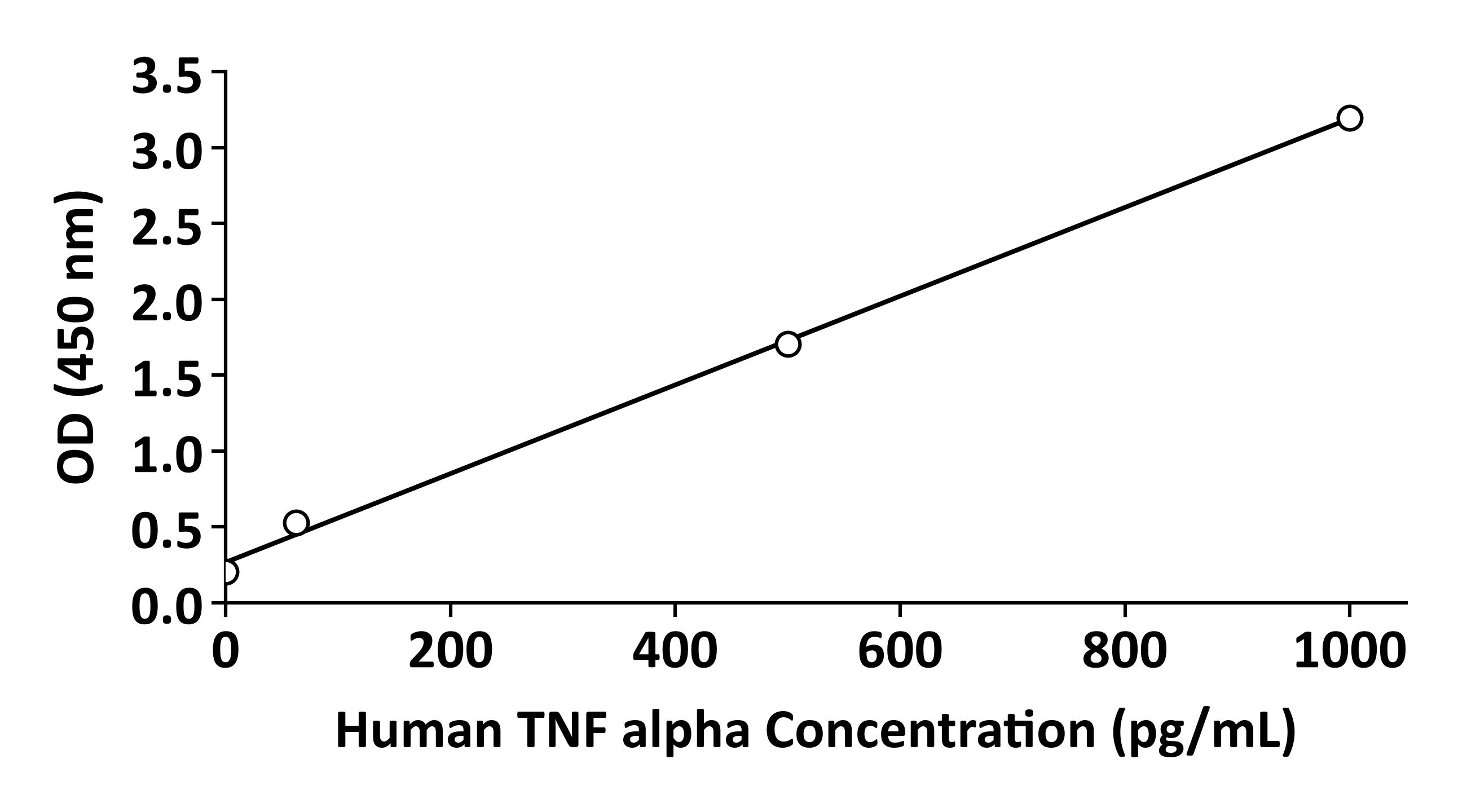
ARG83882 arigoPLEX® Human CAR-T associated Cytokine Multiplex ELISA Kit (IFN gamma, IL1 beta, IL6, IL8, IL10, IL15, GM-CSF, TNF alpha) standard curve image
ARG83882 arigoPLEX® Human CAR-T associated Cytokine Multiplex ELISA Kit (IFN gamma, IL1 beta, IL6, IL8, IL10, IL15, GM-CSF, TNF alpha) results of a typical standard for Human TNF alpha run with optical density reading at 450 nm.
| Title | Download Link |
|---|---|
| ARG83882 arigoPLEX® Human CAR-T associated Cytokine Multiplex ELISA Kit User manual |
 Download Download
|